
Aircraft Engineering Course in Malaysia: Building Skills for the Future of Aviation
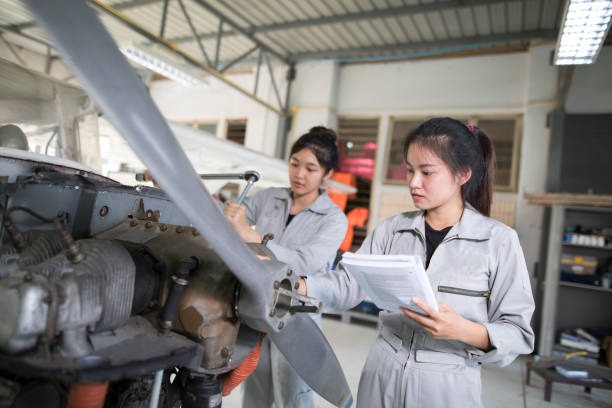
The aviation industry continues to evolve through technological innovation, creating demand for engineers who can design, develop, and improve modern aircraft systems. Choosing an aircraft engineering course in Malaysia provides students with the opportunity to build a strong foundation in engineering while preparing for careers in one of the world’s most advanced industries. With internationally recognised programmes and modern learning facilities, Malaysia has become an attractive destination for aspiring aerospace professionals.
An aircraft engineering programme combines scientific principles, engineering theory, and practical experience to equip students with the skills required to address real-world challenges in aviation.
What Is an Aircraft Engineering Course?
An aircraft engineering course focuses on the technologies and engineering principles behind aircraft design, performance, and operation. Students typically study subjects such as aerodynamics, propulsion systems, structural mechanics, flight dynamics, avionics, materials engineering, and control systems.
In addition to classroom learning, many programmes incorporate laboratory work, computer simulations, engineering design projects, and practical problem-solving activities. These experiences help students understand how engineering concepts are applied to the development and maintenance of modern aircraft.
Studying an aircraft engineering course in Malaysia also encourages analytical thinking, teamwork, and communication skills that are valuable throughout an engineering career.
Why Study in Malaysia?
Malaysia has established itself as a respected higher education destination, offering internationally recognised engineering programmes in a multicultural learning environment. Students benefit from experienced academic staff, well-equipped laboratories, and curricula that align with current industry developments.
Choosing an aircraft engineering course in Malaysia allows students to gain both theoretical knowledge and practical engineering experience while preparing for opportunities in the global aviation sector. Many programmes also emphasize research, innovation, and project-based learning to help students develop industry-relevant skills.
Exposure to modern engineering technologies and collaborative learning environments further enhances graduates’ readiness for professional practice.
Choosing the Right Programme
Selecting the right university is an important step toward building a successful engineering career. Students should consider factors such as programme accreditation, curriculum quality, teaching expertise, laboratory facilities, research opportunities, and industry engagement.
Those interested in pursuing an aircraft engineering course in Malaysia can explore programmes that combine internationally recognised education with practical engineering training. A comprehensive curriculum helps students develop technical competence while preparing them for future challenges in aviation and aerospace engineering.
Choosing a programme with strong academic support and opportunities for hands-on learning can provide valuable preparation for professional engineering careers.
Career Opportunities After Graduation
Graduates of an aircraft engineering course in Malaysia may pursue careers across the aviation and aerospace sectors. Opportunities include roles in aircraft design, aerospace manufacturing, maintenance engineering, avionics, systems engineering, research and development, and flight technology.
As the aviation industry continues to adopt advanced materials, automation, sustainable aviation technologies, and digital engineering solutions, demand for qualified engineers remains strong. Graduates may also continue their education through postgraduate programmes or specialised research in aerospace engineering.
Conclusion
An aircraft engineering course in Malaysia provides students with the knowledge, technical skills, and practical experience needed to succeed in the aviation industry. Through a combination of engineering fundamentals, hands-on learning, and exposure to modern aerospace technologies, students are well prepared for a wide range of engineering careers. Choosing the right programme is an important step toward contributing to the future of aviation and technological innovation.